
Key Takeaways
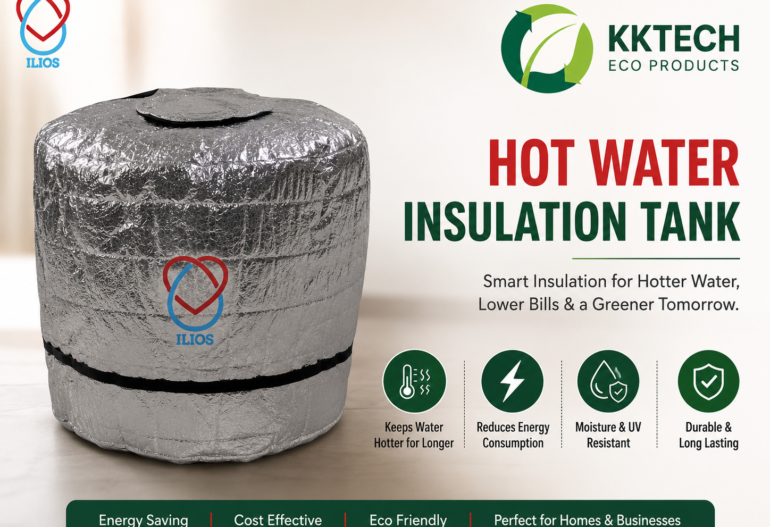
- Insulating hot water tank jackets will aid in reducing heat losses from the water tanks.
- This system could be highly effective in ensuring that the water remains warm for a relatively long period of time.
- The efficiency of this equipment will depend on several factors, including the tank size, frequency of use, climatic conditions, geographic location, and insulating quality.
- The most appropriate solution is one that considers the actual house conditions rather than just the thick insulating layer.
Working Principle of Hot Water Tank Jackets
The proper selection of a jacket ensures a good insulating layer of material between the heated tank surface and the environment. Improved insulation reduces heat transfer and thus the heater can maintain the required temperature without frequently turning on. The proper selection of a jacket will ensure that it does not interfere with valves, thermostats, electrical connections, pressure devices, and safety devices. For an existing heater, an unusually warm outer surface can indicate escaping heat. However, the manufacturer’s instructions should always be checked before external insulation is added.
Where They Are Most Useful
Hot water tank jackets can be useful in homes where water is heated several hours before it is needed. If a family heats water in the morning for later use, reducing heat loss during the waiting period can be valuable. Location matters too. A tank inside a protected plant room loses heat differently from one installed outdoors. Rooftop tanks and tanks in cold utility spaces deserve closer attention, especially during winter in northern India.
Comparison: Insulated vs. Uninsulated Tanks
An uninsulated or poorly insulated tank generally allows heat to escape more easily. The heater may therefore operate more frequently to maintain stored temperature. An insulated tank slows that transfer. An insulating blanket can reduce standby heat losses by 25% to 45% on suitable low-insulation water heaters, although actual savings depend on equipment and conditions. This is a reference range, not a guaranteed result for every Indian property.
Insulation is just one component that determines performance. Efficiency of the heater, thermostat settings, piping, water demand, and maintenance are some other factors that determine energy consumption. A jacket will not solve the problem of a broken heater or leaky piping.
How to Select the Correct Jacket
Measure the tank dimensions. Record the height, diameter, and shape, along with the positions of the piping, controls, valves, and service openings. This will ensure that you purchase the insulation that fits well without creating any gaps. Think about the kind of material and thickness of the insulation depending on the operating temperatures, location of the installation, moisture conditions, durability, and level of protection needed. If you install your equipment outside, then you will need to consider cladding or other form of protection.
Don’t overlook the pipes. Your hot water can lose heat as it moves from the tank to the bathrooms or kitchens. In India, the guidelines for energy conservation specify the insulation of hot water piping and also require insulation protection against weather. Safety should be paramount.Do not cover safety valves, thermostats, electrical components, vents, inspection areas, or parts requiring access. Gas-fired equipment needs particular care because incorrect insulation around combustion or ventilation areas can create serious risks.
Maintenance and Measuring Results
It is essential that the jacket is examined from time to time. Ensure there are no indications of moisture, tear, compression, insecure fastening, or damage from weather conditions, washing, presence of animals, or nearness to other tools. It is important to pay special attention when examining outdoor insulation because of rain and sunlight exposure.
Results can be monitored through measuring electricity or fuel consumption before and after installing insulation, during equivalent periods. Daily requirement of hot water, heating period, and climatic conditions need to be considered. Measurements based on the property itself will be more meaningful than estimating a certain percentage of savings.
FAQs
1. Are hot water tank jackets compatible with all water heaters?
They may not be compatible with all water heaters due to differences in the heater’s design, operating temperatures, safety features, among other factors. It is important to verify these factors before installing such jackets.
2. Can insulation save me money?
Insulation can contribute to lowering standby losses; hence, there will be lesser energy used in maintaining the stored-water temperatures.
3. Should I insulate hot-water pipes too?
Yes, where appropriate. Insulation of pipes can help lower heat loss from the tank to points of consumption through pipes that run through cool or exposed regions.
4. Will jackets work in hot Indian cities?
It would have been possible. Heat loss reduction would be useful in case of water storage over a period of time or where the tank lacks any or insufficient insulation.
5. How do I ensure that I buy the correct size?
Determining tank measurements such as the height, diameter, shape, and connection points will be important for sizing.
6. Can I install a jacket by myself?
Some installations might be relatively simple. Safety considerations must however be in place. More complex, gas fired, commercial, and hot water applications require an assessment by a professional.
7. How often should insulation be inspected?
It should be done during routine inspection of heaters and when the systems are repaired or serviced. Insulation should be replaced when it becomes wet, torn, compressed, or non-effective.
Conclusion
Installation of hot water tanks jackets is one of the possible solutions to increase heat insulation around water heaters. Their effectiveness will depend on a lot of factors such as the tank type, the place of installation, climatic conditions, usage frequency, and insulation present.
The best strategy for Indian residents and businesses is not to choose the thickest jacket for the tank at hand. The size of the tank, the location, the period of storage of the water in it, and the presence of existing insulation have to be taken into consideration. Pipe insulation can add even more effect to this improvement.


