
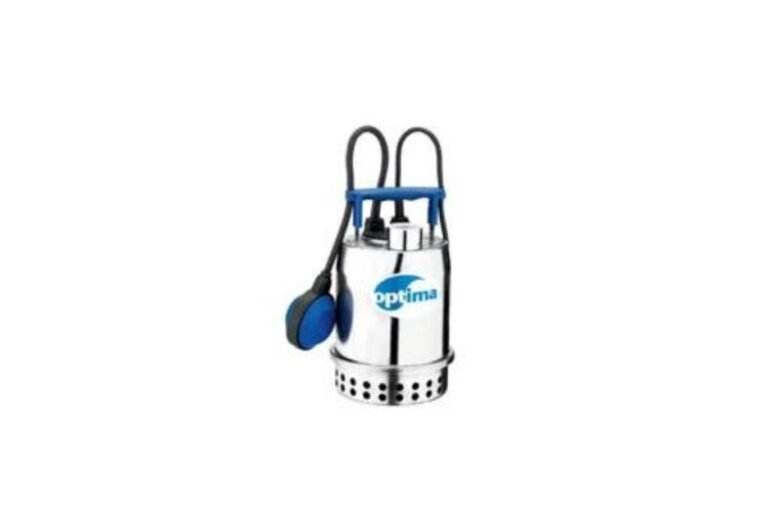
Wastewater management is something most people don’t give much thought to until it becomes an issue. It could be water damage in a basement, blocked drains, or the disposal of wastewater in a business setting. This is where Drainage and Sewage Pumps come into play.
The modern range of pumping equipment caters to the removal of both pure and highly polluted wastewater that contains solids. Selecting the appropriate type will provide efficiency, prevent malfunctions, and ensure longevity. Below is a closer look at these products, as well as information on their use and some examples of leading brands, including the Ebara Corporation DW pumps.
Concepts Related to Drainage and Sewage Pumps
A drainage pump or a sewage pump is basically meant to transfer water mixed with impurities from one point to another. While conventional pumps can transfer pure water, the former two have been designed to deal with more stringent conditions like handling of sludge and sand.
The drainage pump is normally made for slightly contaminated water with smaller impurities, whereas a sewage pump can handle heavier loads including solid material.
Importance of Proper Pump Selection
A poorly chosen pump can lead to clogging issues, have high costs of maintenance, and even fail frequently. High-quality Drainage and Sewage Pumps provide guaranteed performance in pumping water, prevent downtimes, and increase the lifetime of the machinery involved.
In selecting a pump, factors such as longevity, type of materials, and its performance during operation must be taken into account. Stainless steel is an example of material that is very durable and highly resistant to rust.
Features of Contemporary Sewage Pumps
Corrosion-Resistance
Corrosion-resistance is one of the essential features in a modern sewage pump. A stainless steel sewage pump is a great choice because it prevents rusting and wear.
Double Mechanical Seal
Today’s pumps have what is known as double mechanical seals. These are seals that ensure no leakage occurs, as well as prevent any damage to the engine.
Disposal of Solid Waste
Efficient Drainage and Sewage Pumps have the ability to dispose of solid waste up to a certain size. As an example, some of the sewage pumps can easily handle solid waste particles that measure up to 50mm across.
Types of Impellers
Vortex Impellers
The vortex impeller works on the principle of swirl, allowing solids to pass without coming into contact with the blades.
Channel Impellers
The channel impeller works best in high-pressure environments because it facilitates efficient water flow.
Both can be chosen based on the nature of the waste and the desired degree of efficiency.
Applications for Drainage and Sewage Pumps
Residential Buildings
These pumps are used in housing societies and far-off sewage stations to facilitate the flow of wastewater. Hygiene is kept at its best with this arrangement.
Agriculture Industry
Organic matter forms part of the waste generated by farms. The presence of Drainage and Sewage Pumps helps in the proper management of agricultural waste.
Commercial Properties
Pubs, restaurants, and hotels produce much wastewater daily. Efficient pumping helps in maintaining their operations.
Water Features and Displays
Efficient drain solutions are still necessary for aesthetic water features to keep the system clean and free from stagnant water.
Ebara DW Submersible Pumps
From all the numerous alternatives, it would be fair enough to say that Ebara DW and DWF submersible pumps have something unique about them – high resistance and efficiency. Produced of stainless steel resistant to corrosion, they are able to provide high-quality performance.
The double mechanical seal system guarantees trouble-free service, along with the capacity to handle even 50 mm solid matter, which means that such pumps can be used in homes as well as in commercial facilities.
It is worth mentioning that there is an option of having a vortex or a channel impeller installed.
Maintenance Tips for Optimum Performance
Even the finest pumps need occasional maintenance to perform effectively. Maintaining the pump hygienic and looking out for obstructions can help avoid problems.
Testing of the seals and ensuring that proper lubrication is provided to the pump will help maintain its peak efficiency. One must also monitor the function of the pump and be alert for any abnormal sounds or vibrations.
Professional servicing will serve the same purpose.
Common Errors to Watch Out For
Choosing a pump according to its cost is one of the most prevalent errors. Inexpensive pumps are associated with high maintenance expenses and premature replacement.
Neglecting the type of waste that a pump should be able to manage is another common mistake. Failing to select an appropriate pump may cause clogging.
Poor installation is yet another significant problem.
The Future of Pumps
Today’s pumps are smart and efficient due to innovations in material technology. Drainage and Sewage Pumps are designed to maximize performance, minimize energy expenditure, and last longer.
Automation features have also been developed to make it possible for users to monitor the pump and spot any faults in advance.
Conclusion
Proper wastewater management can be achieved through effective equipment selection. Drainage and Sewage Pumps ensure that there is no pollution and that facilities and structures are safe from damage by flooding.
With the development of new technologies, pumps are very efficient due to corrosion resistance, double mechanical seals, and high-quality impellers.
Frequently Asked Questions
What is the use of drainage and sewage pumps?
They help in getting rid of sewage water, polluted water with solids, or wastewater from houses, buildings, or industries.
What things need to be kept in mind while selecting an appropriate sewage pump?
There are several criteria such as type of solids, size of solids, flow rate, and surroundings to keep in mind while selecting a pump.
What is the distinction between drainage pumps and sewage pumps?
While drainage pumps operate with clear water that might contain some small amount of solids, sewage pumps deal with pollutants that consist of bigger solids.
How frequently should sewage pumps be checked?
Pumps need regular checking after several months and annual servicing from anexpert.
Should I prefer stainless steel pumps?
Certainly, because stainless steel pumps last long and perform better due to their resistant nature.


